admin

How to use a multimeter to determine the speed of a motor and distinguish the beginning and end of t

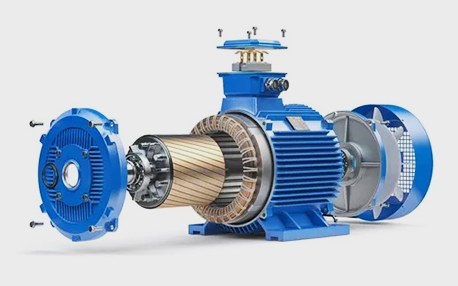
At the debugging site, we often encounter motors without nameplates, but we really want to know the speed of this motor. There is no tachometer, and we don’t want to bother dismantling the motor. At this point, you can use the multimeter in your hand to solve this problem. We know that as long as […]
How to use a multimeter to determine the speed of a motor and distinguish the beginning and end of t Read More »

Analysis of cleaning requirements for motor bearings

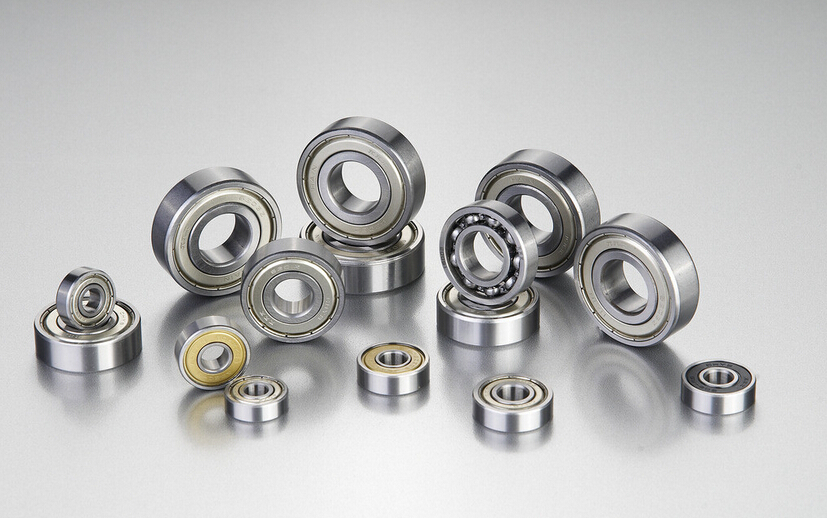
When disassembling bearings for maintenance, first record the appearance of the bearings, confirm the remaining amount of lubricant, take samples of the lubricant for inspection, and then clean the bearings. As a cleaning agent, gasoline and kerosene are generally used. The cleaning of dismantled bearings can be divided into coarse cleaning and fine cleaning. They

Analysis of cleaning requirements for motor bearings Read More »

The relationship between the driving voltage of a stepper motor and its characteristics

As a multi rotation (usually 60 pairs of poles) synchronous motor, a stepper motor can drive the motor rotor to rotate at a step angle of 1.9 degrees when the stator current of the motor changes multiple times. Therefore, it can be used as an electric actuator for converting electric pulse data signals into angular

The relationship between the driving voltage of a stepper motor and its characteristics Read More »

The main structural differences between high-voltage and low-voltage motors

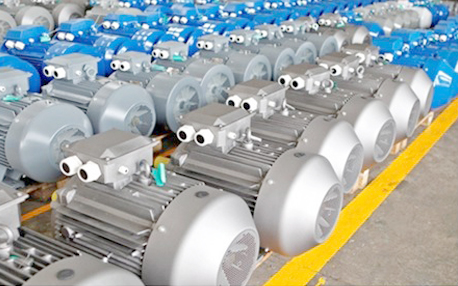
The main structural differences between high-voltage and low-voltage motors 1、 The insulation material of the coil is different. For low-voltage motors, the coils are mainly made of enameled wire or other simple insulation materials, such as composite paper. The insulation of high-voltage motors usually adopts a multi-layer structure, such as cloud bus strip, which has

The main structural differences between high-voltage and low-voltage motors Read More »

Fifteen protection principles for large and medium-sized electric motors

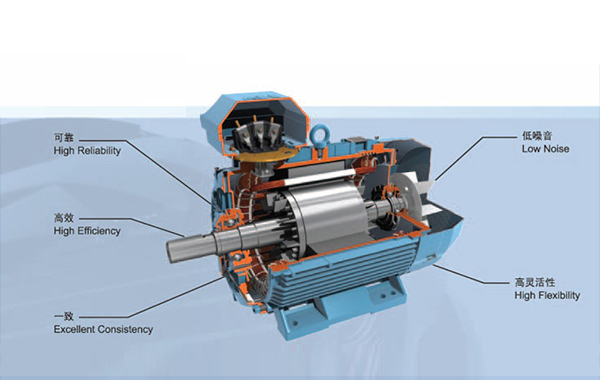
overload protection When the motor operates for a long time beyond its rated current under overload fault, it will cause overheating, insulation reduction, and burning. The protector calculates the motor’s thermal capacity based on the motor’s heating characteristics, simulates the motor’s heating characteristics, and protects the motor against overload protection based on the corresponding characteristics

Fifteen protection principles for large and medium-sized electric motors Read More »

Scroll to Top